
Hardwood Floor Patterns That Go Together: Design Ideas for Baltimore Homes
When planning a hardwood floor installation or renovation, many Baltimore homeowners want more than just beautiful wood—they want floors that flow. And if you’re incorporating different rooms, transitions, or flooring styles, choosing hardwood floor patterns that go together is key to creating a cohesive and elegant look.
Whether you’re updating a rowhome in Canton, restoring a colonial in Towson, or customizing a modern space in Columbia, this guide will help you discover how to pair wood floor patterns for a seamless and stylish result.
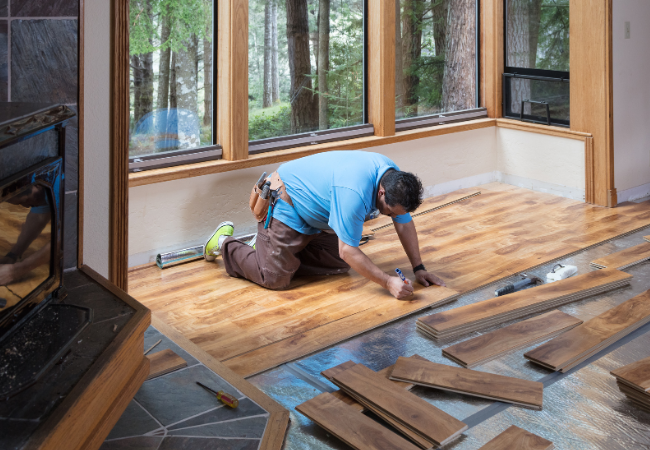
Why Pattern Coordination Matters
Hardwood floor patterns don’t have to be identical from room to room, but they should complement each other. Choosing hardwood floor patterns that go together ensures visual continuity, helps define different areas in an open floor plan, and adds a custom feel without overwhelming the design.
At Flawless Floors, we help homeowners throughout Baltimore blend patterns, textures, and wood tones for floors that are both functional and luxurious.
Best Hardwood Floor Patterns That Work Well Together
1. Straight Lay and Herringbone
Straight lay is the most common and versatile pattern, with boards laid side-by-side along the length of the room. When paired with herringbone in an adjacent space or foyer, the look becomes instantly elevated.
This combo works well in Baltimore homes where you want to keep things classic in main areas but make a bold statement in entrances or formal spaces.
Best for: Living rooms with straight lay and a herringbone pattern in entryways or hallways.
2. Chevron and Wide Plank
Chevron is bold and directional, while wide plank flooring offers a clean, open feel. Pairing them together in nearby rooms adds richness without clashing. Keep the wood species and stain consistent to tie everything together.
Best for: Modern homes in areas like Federal Hill or Mount Washington looking for sleek, designer style.
3. Parquet and Straight Lay
Parquet patterns, like basketweave or brick, add texture and tradition—making them perfect for a feature space like a study or dining room. Use a standard straight lay in surrounding areas to balance the intricacy of parquet with simplicity.
Best for: Historic homes in neighborhoods like Bolton Hill or Guilford that mix formal and casual rooms.
4. Mixed Width and Diagonal
If you want dimension and movement, combining mixed-width planks with a diagonal layout gives you both. The varying board sizes create interest, while the angled pattern adds flow and a unique touch.
Best for: Open floor plans in suburban homes throughout Perry Hall, Bel Air, or Lutherville.
5. Custom Borders with Uniform Patterns
Add custom borders or inlays to rooms like a foyer, dining area, or home office, while maintaining a uniform pattern like straight lay or herringbone throughout the rest of the home. This helps define spaces without breaking visual continuity.
Best for: Transitional homes with open spaces or multi-use rooms.
Tips for Choosing Coordinating Floor Patterns
- Use the same wood species and stain throughout to maintain consistency, even if patterns change.
- Keep transitions clean and deliberate, especially between rooms—thresholds or borders can help.
- Let the architecture guide the layout. Align patterns with focal points like fireplaces or windows.
- Stick with matte or satin finishes, which are more forgiving across pattern changes.
Flawless Floors Makes Pattern Pairing Easy
Choosing hardwood floor patterns that go together doesn’t have to be overwhelming. At Flawless Floors, we work closely with homeowners across Baltimore and the surrounding areas to recommend, design, and install flooring layouts that enhance every room in your home. Whether you want bold transitions or subtle sophistication, our craftsmanship ensures a flawless result.
Let us help you design hardwood floors that don’t just match, they look flawless!