How to Get Rid of Dog Scratches on Hardwood Floors in Maryland
If you share your Maryland home with a furry friend, scratching on your hardwood floors is unfortunately part of the equation. Whether your dog is excited, playful, or just enthusiastic about zooming down the hallway, claw marks can appear over time. But the good news is that many dog scratches on hardwood are repairable—with the right tools, steps, and care. This guide walks you through how homeowners in Maryland can assess, repair, and protect hardwood floors against future pet damage.
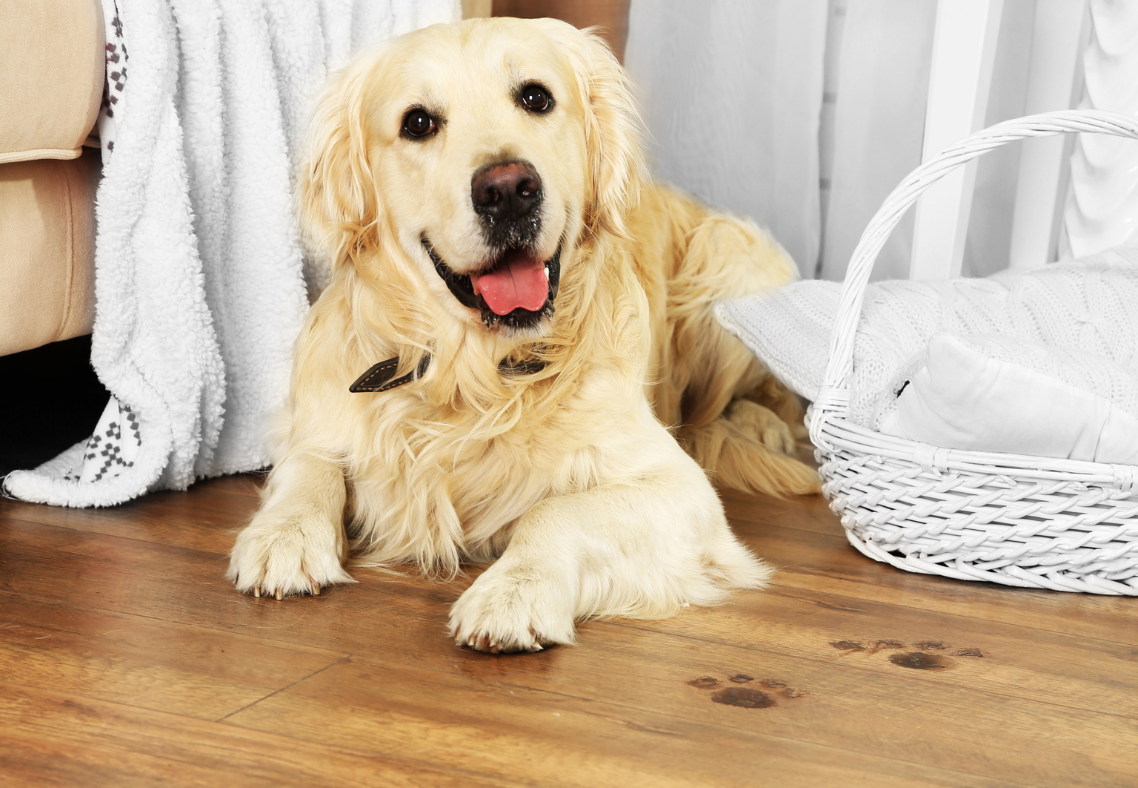
Answering The Question: How to Get Rid of Dog Scratches on Hardwood Floors in Maryland
1. Assess the Damage
Before jumping into repairs, it helps to understand how deep and how serious the scratches are. Scratches generally fall into three categories:
- Surface scratches: These are light scuffs that only affect the finish.
- Moderate scratches: These penetrate the finish and slightly into the wood but not deeply.
- Deep gouges: These cut down into the wood and require more intrusive repair.
Run your fingernail across the scratch. If it catches, it’s deeper than a simple surface mark. For lighter ones, simple treatments may suffice. Deeper ones often require a more involved approach, perhaps even refinishing part of the floor.
2. Clean Thoroughly Before Repair
Regardless of how deep the scratch is, start by cleaning the area well. Dirt, dust, and debris in the scratch will interfere with your repair materials. Use a soft cloth and a pH neutral hardwood cleaner. Avoid excess moisture, as water can worsen damage to hardwood. Once clean, let it dry fully before moving on to repair.
3. Repair Light Surface Scratches
Use a Marker or Scratch Pen
For minor surface scratches, a wood floor repair or touch‑up marker that matches your floor’s color can help hide them. Color in the scratch, wipe away any excess, and buff lightly with a soft cloth. Be sure to choose a marker that closely matches your floor’s existing stain.
Natural Oils or Walnut Trick
Some homeowners have success using natural oils like walnut or linseed oil. Rub the inside of a shelled walnut over the scratch, let its natural oils seep in, then buff. It doesn’t deeply repair damage, but it can help blend surface scuffs.
4. Repair Moderate Scratches with Filler or Wax
If scratching has breached the finish and slightly into the wood, you’ll likely need to fill it:
- Choose a wood filler, wax stick, or putty that closely matches your floor color.
- Apply it carefully into the scratch, slightly overfilling so the filler sits a bit proud of the surface.
- Let it dry as per the product instructions.
- Sand or smooth it gently with fine grit paper so it’s flush with the surrounding wood.
- Stain or color match it if needed, using a touch up stain or marker.
- Seal with a clear finish (polyurethane or another compatible sealer) to protect the repair.
5. When Scratches Are Too Deep: Sand & Refinish
If you’re dealing with deep gouges or a large area of damage, simple repairs may not be enough. In those cases, sanding and refinishing may be your best bet.
- Use a fine‑grit sander to sand down the damaged zone, blending it carefully with the surrounding floor.
- Stain to match the original color.
- Seal with an appropriate topcoat (water or oil based) that matches your existing finish.
6. Match Finish and Blend Repairs
One of the trickiest parts of dog scratch repair is making sure the repaired section blends with the rest of the floor. Here’s how to improve matching:
- Work in natural daylight because your home’s lighting can skew color perception.
- Test stain or filler in a hidden area first.
- Apply thin coats and build up gradually.
- Lightly buff or polish after sealing to even out gloss levels.
7. Prevent Future Dog Scratches
Even the best repair means nothing if the scratches keep coming. Maryland homeowners can take preventive steps:
- Trim your dog’s nails regularly. Shorter nails scratch less.
- Place area rugs or runners in high traffic zones like hallways or near doors.
- Use paw wax or dog booties indoors to reduce claw damage.
- Install felt pads under furniture, so dogs jumping or pushing doesn’t scuff the wood.
- Maintain humidity levels in your home. Hardwood can expand and contract over seasons, worsening scratch visibility if the wood shifts.
Maryland Considerations & Local Tips
Because of Maryland’s seasonal humidity outside and indoor heating in winter, your wood can expand and contract more than in stable climates. This movement can exacerbate scratching or make repairs shift slightly. When you repair, allow some buffer and pick finishes that cope well with movement. Also, many Maryland homes—especially in Baltimore, Annapolis, or older suburbs—have original hardwood that’s thinner than modern planks. That means you must be careful when sanding not to cut through to the tongue or weaken the plank. Finally, for larger repairs or if the scratch damage covers a wide area, local expertise matters. Flawless Floors is based in Perry Hall and familiar with Maryland humidity, species, and finishing practices. They can match finishes and perform dust‑reduced sanding so the rest of your home stays clean.
Contact Flawless Floor Today For Hardwood Floor Repair Services In Maryland
If you’re noticing unsightly scratches from pets or your hardwood floors look worn or damaged, the team at Flawless Floors is ready to help. We serve homeowners across Maryland, including Baltimore County, Anne Arundel, Howard, and beyond. Our experts will assess your floors, propose a repair plan, and execute it with precision using high quality products and finishes designed for Maryland homes. From light scratch repairs to full refinishing of damaged zones, we deliver clean, professional results. We take care to match color, blend finishes, and minimize disruption to your home. Don’t let dog scratches detract from the beauty of your hardwood. Contact Flawless Floor today to schedule a consultation and see how we can restore your floors to their former elegance.
Sanding & Refinishing

Installation